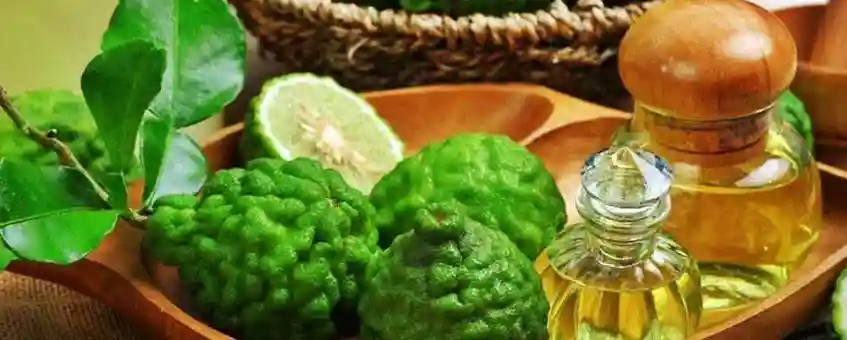
Bergamot oil is a cold-pressed essential oil, which is produced by cells...
What Is Attar? Traditional Indian Attars vs Perfume Oils
September 3, 2026
Related Blogs
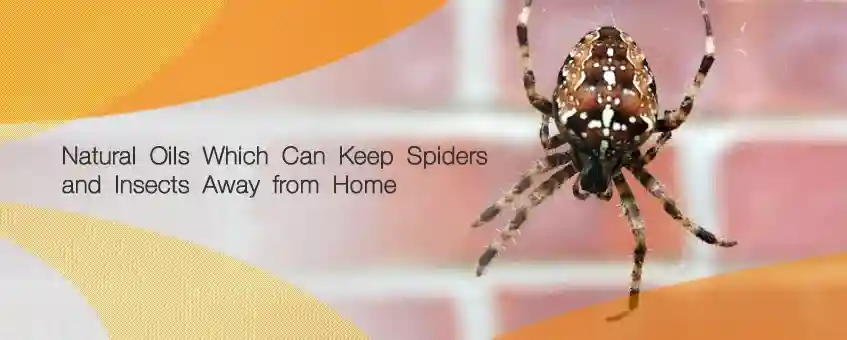
10 Natural Oils Which Can Keep Spiders and Insects Away from Home
Essential oils offer a plethora of benefits, from treating wounds &...
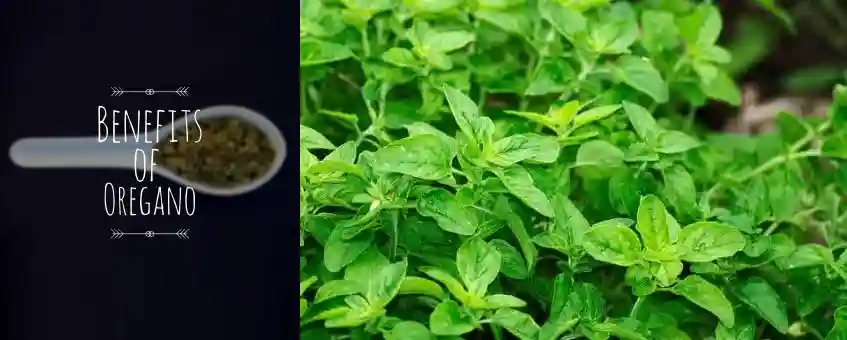
Oregano Oil and Its Surprising Health Benefits
Oregano oil is extracted from Oregano, which is also called Origanum...
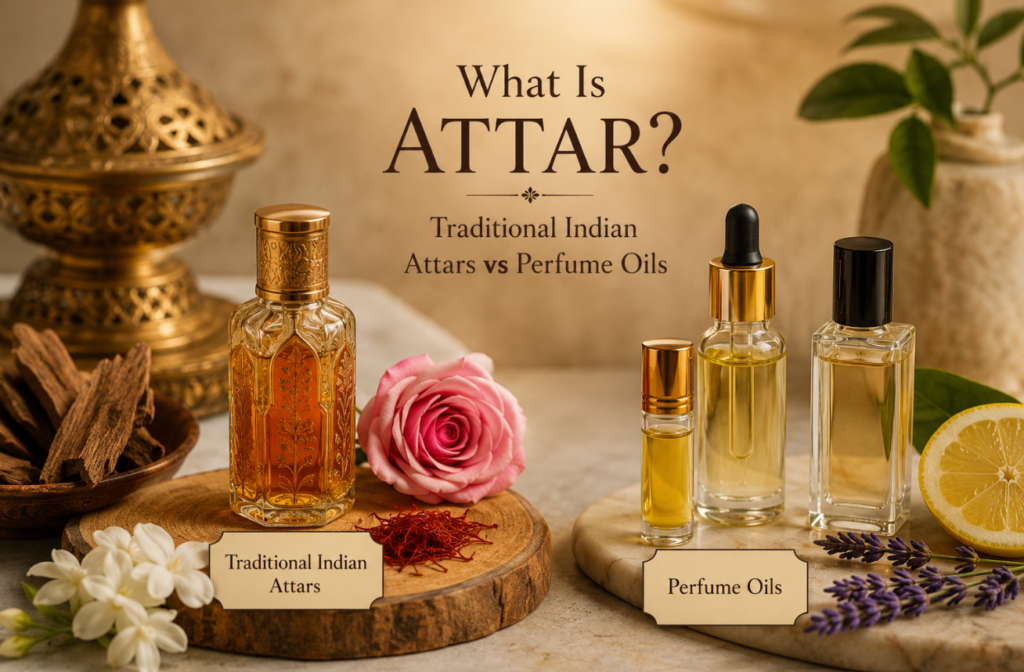
Attar is a traditional style of concentrated, oil based fragrance closely associated with the perfumery traditions of India and the wider Middle East. Traditional Indian attars are made by hydro distilling flowers, woods, herbs or other aromatic materials into a base oil, historically sandalwood oil. Many modern products sold today as “attar” or “perfume oil,” however, are not necessarily made using this traditional process, which is exactly where most confusion begins.
If you have ever searched for attar and come away more confused than when you started, you are not alone. Some websites tell you attar is simply another word for perfume oil. Others insist it always means 100 percent natural, alcohol free fragrance. Neither answer is complete. This guide explains what attar actually is, how it is traditionally made, how it compares to perfume oil, essential oil and Western style perfumes, and how to choose one with confidence.
What Is Attar?
Attar, also spelled ittar or itr, refers to a concentrated fragrance oil traditionally produced in South Asia, particularly in India, by capturing the aromatic compounds of flowers, woods or herbs inside a carrier oil. The word comes from the Arabic “itr,” meaning fragrance or perfume, and reflects centuries of shared perfumery culture between the Middle East and the Indian subcontinent.
In its traditional sense, attar is not simply “any perfume oil.” It refers to a specific method of production, one where raw botanical material is distilled and its fragrant vapors are condensed directly into an oil base rather than being blended in a laboratory from pre-made aroma compounds. That distinction matters more than most articles on this topic admit.
What Does the Word Attar Actually Mean?
The terms attar, ittar and itr are used interchangeably across India, Pakistan, Bangladesh and parts of the Middle East, though spelling and pronunciation vary by region and language. In everyday retail use, the word has picked up a second, looser meaning.
Traditional or technical meaning: A naturally derived fragrance material produced through hydro distillation, historically captured into sandalwood oil.
Modern retail meaning: An alcohol free, oil based perfume, which may or may not have actually been produced using the traditional Indian method.
This is worth repeating because it is the single biggest source of confusion online: a product labeled “attar” today is not automatically a traditionally made attar. It may be a compounded perfume oil marketed under the attar name because the format, oil based and alcohol free, resembles traditional attar even when the production process does not.
Attar vs Perfume Oil: Are They the Same Thing?
Not exactly. Traditional attar is a specific, historically rooted form of oil based perfumery. Perfume oil is a much broader modern category that can include natural materials, synthetic aroma chemicals, or a blend of both, compounded into a carrier oil.
Put simply, every traditional attar could reasonably be described as a perfume oil, but not every perfume oil qualifies as a traditional attar. The table below breaks down the practical differences.
| Feature | Traditional Indian Attar | Modern Perfume Oil |
| Origin | South Asian and Middle Eastern perfumery tradition | Broad, modern global category |
| Typical carrier | Historically sandalwood oil | Various carrier oils, including synthetic bases |
| Aromatic materials | Primarily whole botanicals in traditional production | Natural, synthetic, or a combination |
| Production method | Traditional hydro distillation (deg bhapka) | Blending or compounding pre-made fragrance materials |
| Alcohol content | Traditionally none | Usually none, though this varies by brand |
| Synthetic ingredients | Not part of the traditional definition | Common, and not always disclosed |
| Application | Dabbed or rolled onto skin | Dabbed or rolled onto skin |
| Fragrance behavior | Often complex and evolving over time | Highly variable depending on formulation |
The practical takeaway: if authenticity and traditional craft matter to you, look past the word “attar” on a label and ask how the product was actually made.
Traditional Indian Attar vs Western Perfume Oils
It is tempting to simplify this comparison into “Indian attar is natural, Western perfume is synthetic.” That framing shows up often online, and it is not accurate. Both traditions include natural and synthetic elements depending on the specific product and producer.
A more useful comparison looks at formulation philosophy rather than geography alone.
- Base: Traditional attar is oil based from the start. Many Western perfumes, including eau de parfum and eau de toilette, are alcohol based, though Western perfume oils and roll-on formats also exist and are growing in popularity.
- Production: Traditional attar production relies on slow, artisan controlled hydro distillation directly into an oil. Most modern perfumes, whether Indian, European or American, are compounded from a library of individual aroma materials, whether natural extracts, essential oils or synthetic aroma chemicals, then blended by a perfumer.
- Concentration and application: Attar is typically applied in small amounts directly to the skin, similar to a perfume oil or roll on. Alcohol based Western perfumes are usually sprayed, which changes how the fragrance projects and diffuses.
- Diffusion and sillage: Alcohol evaporates quickly and carries scent outward, giving spray perfumes stronger initial projection. Oil based fragrances like attar tend to sit closer to the skin, developing a warmer, more intimate scent over several hours.
- Ingredient sourcing: Traditional attar production depends heavily on regional agriculture, particularly flowers and sandalwood, and on artisan knowledge passed down through generations. Modern perfumery, wherever it is produced, increasingly relies on standardized aroma chemical libraries for consistency and scale.
Understanding these differences in formulation and craft gives a far more accurate picture than a simple natural versus synthetic label.
How Is Traditional Indian Attar Made?
This is where attar earns its reputation as a genuinely distinct craft, not just a fragrance format. The traditional method is called deg bhapka, and it has changed very little over generations in centers like Kannauj, Uttar Pradesh.
Selecting the Botanicals
Production begins with fresh flowers, wood, herbs, spices or even baked earth, depending on the type of attar being made. Because many aromatic flowers lose their fragrance quickly after harvest, timing is critical, and traditional distillers often work with material picked the same day.
The Deg (Copper Still)
The botanical material is loaded into a large copper vessel called a deg, along with water. The deg is sealed and placed over a wood or dung fired furnace known as a bhatti, where it is heated slowly to release the aromatic vapors from the plant material.
The Chonga (Connecting Pipe)
A bamboo or metal pipe called a chonga connects the deg to the receiving vessel. As the fragrant steam rises from the deg, it travels through the chonga toward the next stage of the process, where it will be captured rather than lost into the air.
The Bhapka (Receiver)
The vapor condenses inside a receiving vessel called the bhapka, which already contains the base oil, traditionally sandalwood oil. As the fragrant steam cools, its aromatic compounds are absorbed directly into the oil, while the water separates out. This step, capturing fragrance straight into an oil base rather than isolating it as a standalone extract, is the defining technical feature that separates traditional attar from steam distilled essential oils.
Sandalwood Oil as the Traditional Base
Sandalwood oil was historically chosen as the receiving base because of its own soft, long lasting, woody character and its ability to carry other fragrances well without overpowering them. Many attars produced through this classical method use sandalwood as their foundation, even when the dominant scent note is rose, jasmine or another flower.
Distillation and Aging
The deg bhapka process is often repeated multiple times, with fresh batches of botanical material redistilled into the same oil to build depth and concentration. This is slow, labor intensive work, sometimes taking days for a single batch. After distillation, many traditional attars are matured for weeks or months, often stored in leather or specialized clay vessels called kuppis, which are believed to help the fragrance develop and settle.
Why Is Kannauj Called the Perfume Capital of India?
If any single place anchors the story of Indian attar, it is Kannauj, a city in Uttar Pradesh with a perfumery tradition going back through the Mughal era and beyond. Kannauj Perfume holds Geographical Indication (GI) recognition from the Government of India, a formal status that protects and identifies products tied to a specific region and traditional method of production.
Kannauj’s importance comes from a combination of factors: fertile agricultural land suited to growing fragrant flowers, generations of artisan families who have preserved the deg bhapka method, and historic patronage that helped the craft flourish and spread. Today, the city remains home to hundreds of small distilleries that continue to produce attar largely by hand, even as the broader fragrance industry has moved toward large scale synthetic production.
For anyone researching authentic Indian attar, Kannauj is not a marketing buzzword. It represents a genuine, government recognized center of traditional craft, and it is worth looking for products that can trace their production back to this heritage.
A Brief History of Attar
Rather than repeating the common but unverified claim that attar is “5,000 years old,” it is more accurate to describe a general historical arc supported by available evidence.
Fragrance extraction using oils and fats has ancient roots across several civilizations, including early distillation experiments in the Middle East and South Asia. Distillation techniques associated with Persian and Islamic scholars, including figures like Ibn Sina, are widely credited with advancing perfumery methods that later influenced South Asian attar production. Over centuries, these techniques merged with local Indian traditions, aromatic flower cultivation and artisan craft, eventually flourishing under Mughal patronage, when perfumery was highly valued in royal courts.
From there, cities like Kannauj developed into dedicated perfumery centers, refining the deg bhapka method into the craft still practiced today. This is a more honest and defensible timeline than vague claims of a single ancient origin point, and it reflects how most craft traditions actually evolve, through cultural exchange rather than in isolation.
What Is Attar Made From?
Traditional attars draw on a wide range of natural raw materials, generally falling into a few categories.
- Flowers: rose, jasmine, kewra (pandanus), bela and lotus, depending on regional tradition and season
- Woods: sandalwood and agarwood (oud) among the most prized
- Herbs and spices: saffron, cardamom, clove, cinnamon and similar aromatic materials
- Earth: baked clay, used to produce mitti attar, a distinctive fragrance built to recreate the scent of rain falling on dry soil
This last category surprises a lot of people outside India, but mitti attar is one of the clearest examples of how deeply attar making is tied to sensory memory and regional culture rather than simply flower extraction.
Popular Types of Traditional Indian Attar
Rose Attar (Gulab Attar): One of the most classic and widely produced attars, made by distilling fresh rose petals into sandalwood oil. It carries a rich, slightly honeyed floral character that is noticeably deeper than commercial rose fragrance oils.
Jasmine Attar: Made from jasmine flowers, prized for its warm, heady, slightly sweet floral profile. Because jasmine yields relatively little fragrant material per flower, authentic jasmine attar tends to be more expensive.
Kewra Attar: Distilled from pandanus flowers, kewra attar has a sharp, green, slightly fruity aroma and is traditionally used in both perfumery and food flavoring across South Asia.
Mitti Attar: Also called “earth attar,” this is made by baking clay and distilling it into sandalwood oil, recreating the distinctive scent of monsoon rain on dry ground. It is one of the more unusual and culturally specific attars in the tradition.
Hina Attar: A warm, spiced blend traditionally associated with henna and often combining multiple botanicals, herbs and sometimes musk-like notes into a rich, layered composition.
Shamama Attar: A complex, multi ingredient attar traditionally made from a combination of herbs, spices and botanicals, valued for its deep, warm and slightly medicinal character.
Oud (Agarwood) Attar: Distilled or infused from agarwood, one of the most valuable raw materials in perfumery worldwide, prized for its rich, resinous, woody depth. Genuine oud attar is among the more costly traditional attars due to the rarity of quality agarwood.
Sandalwood Attar: Built around sandalwood itself as both the aromatic material and the base, offering a soft, creamy, long lasting woody profile that is often used on its own or as a foundation for other attars.
Attar vs Essential Oil vs Fragrance Oil vs Perfume Oil vs Perfume
Because these terms are so often used loosely, a single reference table is one of the clearest ways to understand where attar fits within the wider world of fragrance.
| Product | What It Is | Usually Alcohol Free | Natural by Definition | Typical Use |
| Traditional attar | Botanical material hydro distilled into a base oil | Yes | Traditionally, yes | Personal fragrance |
| Essential oil | Aromatic extract from a single plant source | Yes | Usually | Aromatherapy, perfumery, skincare |
| Perfume oil | Broad oil based fragrance category | Usually | Not necessarily | Personal fragrance |
| Fragrance oil | Formulated aroma material, natural or synthetic | Usually | Not necessarily | Perfume, cosmetics, home fragrance |
| Eau de Toilette | Alcohol based perfume format | No | Not necessarily | Personal fragrance |
| Eau de Parfum | Higher concentration alcohol based perfume | No | Not necessarily | Personal fragrance |
| Parfum / Extrait | Highest concentration perfume format | Usually | Not necessarily | Personal fragrance |
The key insight worth remembering: attar and essential oil are close cousins in method, both typically alcohol free and rooted in natural extraction, but attar is specifically defined by its role as a finished fragrance captured into an oil base, while essential oils are often used as raw ingredients within perfumery, skincare or aromatherapy rather than as a stand alone fragrance product.
Attar vs Eau de Parfum: Which Should You Choose
There is no single correct answer here. It depends on the kind of fragrance experience you want.
Consider attar if you want:
- an oil based application without alcohol
- a more intimate, close to skin scent
- a fragrance that develops slowly over the day
- a connection to traditional perfumery craft
Consider eau de parfum if you want:
- stronger initial projection and sillage
- a spray format that is quick and even to apply
- a wider range of modern, layered fragrance compositions
- easier application across clothing as well as skin
Rather than one being objectively “better,” the right choice comes down to how and where you want your fragrance to show up throughout the day.
Is Attar Natural?
This deserves a clear, honest answer rather than a blanket yes. Traditional attar, made through genuine deg bhapka distillation from real botanical material into a natural base oil like sandalwood, can be entirely natural. However, the word “attar” on a modern retail label does not automatically guarantee that. Some commercial products use the term loosely to describe any oil based, alcohol free fragrance, regardless of whether synthetic aroma chemicals were involved in production.
If natural sourcing matters to you, look for sellers who are transparent about their production method, raw materials and origin, rather than relying on the word “attar” alone.
Is Attar Alcohol Free?
Traditionally, yes. Attar is formulated in an oil base rather than an ethanol base, which is one of the clearest and most consistent distinctions between attar and alcohol based perfumes like eau de parfum or eau de toilette. This does not automatically make it superior or safer, simply different in formulation and how it behaves on skin.
How Long Does Attar Last?
Longevity claims like “lasts 12 hours” or “lasts 24 hours” are common in marketing but rarely tell the full story. In reality, how long any fragrance lasts, attar included, depends on several variables working together.
- the specific ingredients and their natural staying power
- concentration and quality of the raw materials used
- individual skin chemistry
- climate and humidity
- how much product is applied
- where on the body it is applied
- whether it is applied to skin or clothing
It is also worth separating two related but different ideas: longevity, how long you can still detect the scent, and sillage, how far it projects outward and how noticeable it is to others. Oil based fragrances like attar often have excellent longevity close to the skin with more modest projection, which is part of why they feel more personal and intimate compared to a heavily sprayed alcohol based perfume.
How to Apply Attar Correctly
Because attar is highly concentrated, a little goes a long way. A few practical guidelines:
- Use a small amount, often just a drop or two, rather than treating it like a spray perfume.
- Apply to pulse points such as the wrists, inner elbows or behind the ears, where body heat helps the fragrance develop.
- Allow it a few minutes to settle and interact with your skin before judging the final scent.
- Test on skin before committing to a full application, since attar can smell different from person to person.
- Be cautious applying oil based fragrance directly to certain fabrics, as it can leave marks on light colored or delicate materials.
- Store attar away from direct sunlight and heat to help preserve its character over time.
How to Identify Authentic Traditional Attar
Since the word “attar” is used loosely across the market, a few practical checks can help you evaluate authenticity beyond the label alone.
- Look for clear information about where and how the product was made, ideally tracing back to a recognized production region such as Kannauj.
- Ask whether the base oil is disclosed, traditionally sandalwood oil for classic attars.
- Check whether the seller is transparent about whether the fragrance is composed from natural botanicals or includes synthetic aroma materials.
- Be cautious of extremely low prices on attars claiming rare ingredients like genuine oud or jasmine, since authentic raw materials in these categories are inherently expensive to produce.
- Favor sellers who can speak knowledgeably about the traditional deg bhapka process rather than relying only on generic marketing language.
Color, thickness or price alone are not reliable indicators of authenticity on their own, but combined with transparent sourcing information, they can help you make a more informed decision.
Why Traditional Attar Can Cost More
Genuine, traditionally produced attar often carries a higher price than mass market perfume oils, and there are clear, practical reasons why.
- Large quantities of fresh flowers or botanical material are needed to produce even a small amount of finished attar.
- Many aromatic flowers are seasonal, limiting when production can happen.
- The deg bhapka process is slow and requires skilled artisan labor rather than automated blending.
- Sandalwood oil itself, used as the traditional base, is a costly raw material.
- Extended maturation periods add further time and storage costs before the product is ready.
- Small batch, regional production naturally limits scale compared to mass produced synthetic fragrance oils.
Understanding this helps explain why a bottle of authentic rose or oud attar can cost meaningfully more than a similarly sized bottle of a generic “attar style” perfume oil.
How to Choose the Right Attar for You
If you are new to attar and unsure where to start, your fragrance preferences can guide the decision.
- New to attar? Start with a gentle, well known profile like rose or jasmine.
- Drawn to rich, resinous scents? Explore oud or agarwood based attars.
- Interested in something unusual and earthy? Try mitti attar.
- Prefer warm, spiced fragrances? Look at shamama or hina attar.
- Want a soft, versatile everyday option? Sandalwood based attars tend to work well across seasons and occasions.
You can explore India Aroma Oils’ full Attars collection to compare traditional options, alongside related Floral Absolute Oils if you are interested in the raw botanical extracts used in many classic attar profiles.
Attar Around the World
Interest in attar and oil based fragrance extends well beyond India, though the terminology and cultural context shift by region.
India: The historical home of attar, with Kannauj remaining its most recognized production center and the format deeply woven into everyday personal care and religious or ceremonial use.
Middle East: Oil based fragrances, including oud and mukhallat compositions, hold a major place in regional perfumery culture, with strong overlap in format and application style to Indian attar, even where production traditions differ.
South Asia beyond India: Pakistan and Bangladesh share closely related ittar traditions, with similar production methods and shared cultural use.
Europe: Niche and indie perfumery has shown growing interest in oil based, alcohol free formats, often positioned as an alternative to mainstream spray perfumes.
North America: Perfume oils, roll on formats and heritage or “clean” fragrance positioning have expanded significantly, introducing more consumers to oil based fragrance who may not be familiar with traditional attar specifically.
Australia: A growing natural and independent fragrance market has created rising curiosity around oil based, botanically derived scent options.
Latin America: While traditional attar production is not regionally rooted here, interest in natural, alcohol free personal fragrance is part of a broader global shift toward oil based formats.
This global spread means attar is no longer a niche interest confined to South Asia. It is increasingly part of a wider international conversation about natural, oil based, alcohol free fragrance.
Frequently Asked Questions About Attar
What is attar?
Attar is a traditional, concentrated oil based fragrance made by distilling botanical material such as flowers, wood or herbs into a base oil, historically sandalwood oil.
Is attar the same as perfume oil?
Not exactly. Traditional attar refers to a specific historical production method, while perfume oil is a broader modern category that may or may not follow that traditional process.
Is attar the same as essential oil?
They are closely related but not identical. Both are typically alcohol free and naturally extracted, but attar is a finished fragrance product, while essential oils are often used as raw ingredients in perfumery, skincare or aromatherapy.
Is attar natural?
Traditional, authentically produced attar can be entirely natural, but the word “attar” on a label does not automatically guarantee this, since some commercial products use the term loosely.
Is attar alcohol free?
Yes, traditional attar is formulated in an oil base rather than alcohol, which is one of its defining characteristics compared to Western style spray perfumes.
How is attar made?
Traditional attar is made through a process called deg bhapka, where botanical material is distilled in a copper still and its aromatic vapor is condensed directly into a receiving vessel containing base oil, traditionally sandalwood oil.
Why is Kannauj famous for attar?
Kannauj, in Uttar Pradesh, has a centuries old perfumery tradition and holds official Geographical Indication recognition from the Government of India for Kannauj Perfume, reflecting its status as a genuine center of traditional attar craft.
What is deg bhapka?
Deg bhapka is the traditional Indian distillation method used to make attar, involving a copper still (deg), a connecting pipe (chonga) and a receiving vessel (bhapka) containing the base oil.
How long does attar last?
Longevity varies based on ingredients, concentration, skin chemistry, climate and how much is applied, so it is more useful to think in terms of variables rather than a fixed number of hours.
How do you apply attar?
Apply a small amount to pulse points such as the wrists or behind the ears, allowing it a few minutes to settle and develop on the skin.
What is oud attar?
Oud attar is made using agarwood, one of the most valuable raw materials in global perfumery, prized for its deep, resinous, woody characte
What is mitti attar?
Mitti attar, or earth attar, is made by distilling baked clay into sandalwood oil to recreate the distinctive scent of rain falling on dry ground.
How can you identify authentic traditional attar?
Look for transparency about the production method, base oil and origin, ideally tracing back to a recognized center like Kannauj, rather than relying on the word “attar” alone.
Can men and women both wear attar?
Yes, attar is generally considered unisex, and fragrance choice tends to come down to personal preference in scent profile rather than gender.