






Description
DESCRIPTION:
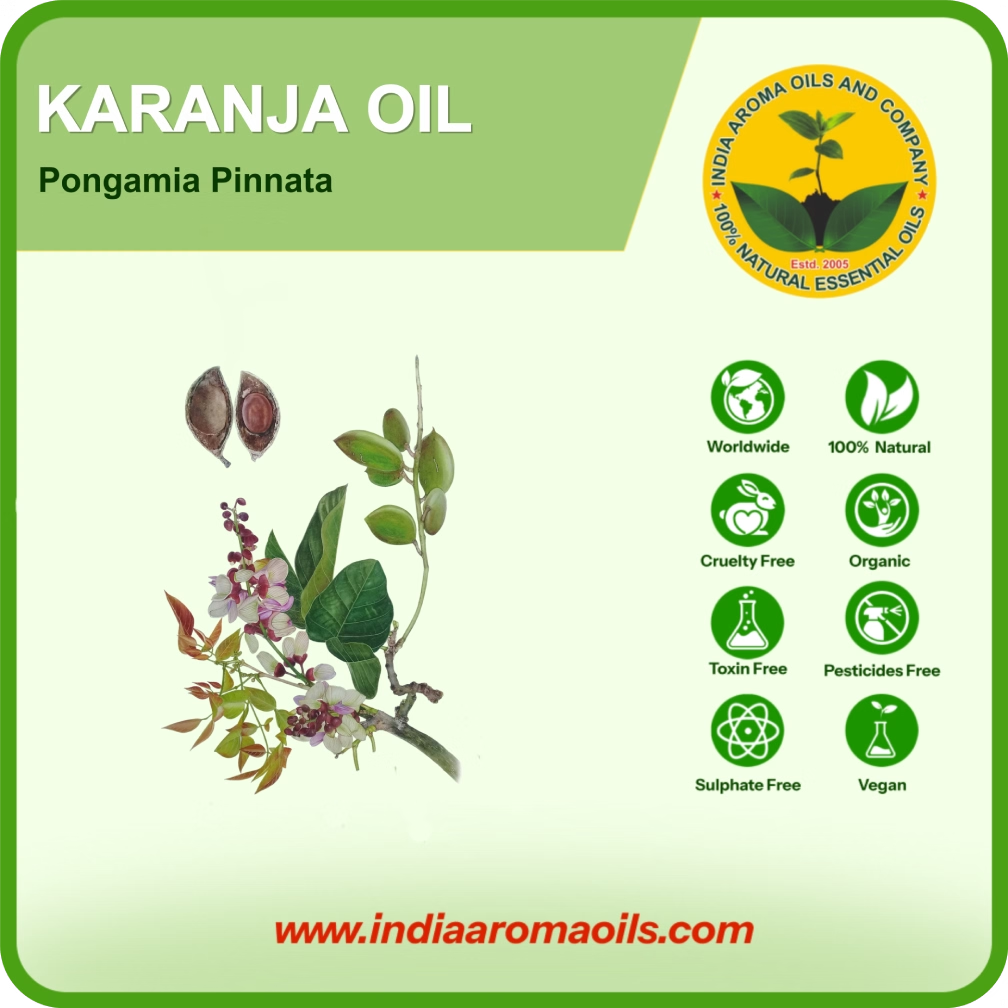
Karanja is a tree or shrub which is found in South India and Indonesia.It is a tall size 15 to 25 meters and broad crown of dark green leaves.
OTHER NAME:
Honge oil, Kanuga oil, Pungai oil.
USES:
It is useful for hemorrhoids, dyspepsia, skin diseases, hemorrhoids, bronchitis, rheumatism, herpes, cough, sores, spleen enlargement, diabetes, ulcers and sores.
Versatile Applications Across Industries
Karanja Oil is widely utilized in cosmetics for its emollient qualities, in agriculture as a potent bio-pesticide, and in pharmaceutical preparations. Its purity and natural origin make it an ideal ingredient for eco-friendly products and organic formulations, meeting the needs of manufacturers, retailers, and wholesalers alike.
Cold-Pressed and Non-Refined Purity
Extracted through a cold-pressing process, Karanja Oil preserves its natural properties and beneficial compounds. Free from chemical refinement, the oil maintains its nutritional and functional integrity which is prized for both personal care routine enhancements and sustainable agricultural solutions.
Long-lasting and Safe Packaging
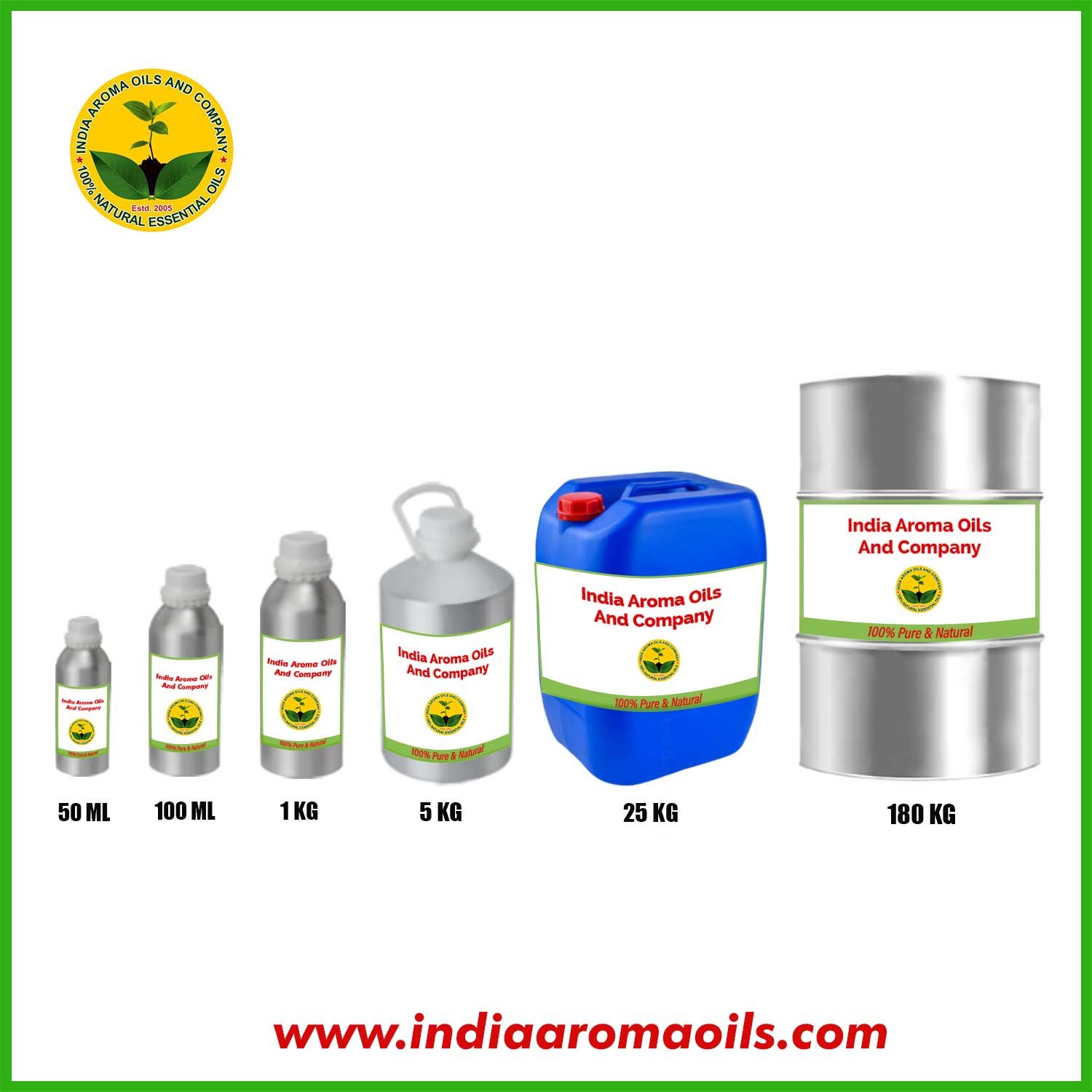
Packaged in durable HDPE bottles or drums, Karanja Oil is designed for long-term storage and easy handling. By following recommended storage conditionscool, dry, and dark environmentsthe oils quality and shelf life of 24 months are effectively maintained, ensuring reliable performance over time.
FAQs of Karanja Oil:
Q: How should Karanja Oil be stored to maintain its quality?
A: To preserve its potency and extend shelf life, Karanja Oil should be stored in a cool, dry, and dark place, ideally in its original HDPE bottle or drum. Avoid exposure to sunlight and moisture to prevent deterioration over its 24-month shelf life.
Q: What is the extraction process of Karanja Oil and why does it matter?
A: Karanja Oil is extracted by cold-pressing Pongamia Glabra seeds, a method that avoids heat and chemical treatments. This process retains the oils natural active compounds and purity, making it suitable for applications that demand high natural content.
Q: When can Karanja Oil be used in cosmetic and agricultural applications?
A: Karanja Oil is suitable for use in cosmetic formulations as an emollient or moisturizer and in agricultural settings as an effective bio-pesticide. Its natural origin and purity make it a preferred choice whenever non-synthetic, eco-friendly solutions are required.
Q: What benefits does Karanja Oil offer compared to other carrier oils?
A: Karanja Oil provides strong emollient and moisturizing properties, has a natural mild nutty aroma, is free from known allergens, and offers unique insect-repellent characteristics. Its cold-pressed, non-refined nature preserves beneficial compounds, making it both versatile and environmentally friendly.
Q: Where is Karanja Oil typically sourced and distributed from?
A: Karanja Oil is primarily manufactured, supplied, and wholesaled in India. It is distributed through various channels, including retailers and online platforms, in HDPE packaging to ensure safe shipping and extended shelf life.
Q: How do you use Karanja Oil in formulations or applications?
A: Due to its insolubility in water and solubility in organic solvents, Karanja Oil can be blended into creams, lotions, and bio-pesticide solutions. It should be incorporated according to the specific requirements of the end formulation for optimal results.
Q: What are the main properties of Karanja Oil that make it suitable for multiple industries?
A: Key properties such as its high purity, non-refined extraction, characteristic aroma, and stability under various conditions make Karanja Oil an excellent choice for cosmetics, agriculture, pharmaceuticals, and industrial bio-pesticides.